The Internal Revenue Service has sent letters to thousands of small business owners recently, questioning whether they underpaid their taxes last year. Titled “Notification of Possible Income Underreporting,” the letters were mailed to small employers this summer requesting that they review and confirm that they accurately reported their income on their 2012 tax returns.
In response to this action by the IRS, American University professors Donald Williamson and David Kautter have created a list of “Tax Best Practices for Small Businesses,” a checklist designed to help small business entrepreneurs stay up-to-date on all tax related issues, and away from the scrutiny of the IRS.
1. Keep good records about who is an "employee" and who is an "independent contractor."
2. Keep track of places where you may have a "physical presence" (even unknowingly), to properly comply with state rules governing sales tax collection.
3. Invest in good tax software accounting systems—those that track your records and regularly provide updates to new IRS rules.
4. Hire a tax accountant who has experience in your type of business, whether it's a coffee shop or a construction business.
5. Keep good records on how much you paid for, and the date you placed in service, all business equipment, business vehicles, etc.
6. Don't consider using funds you have withheld for employee payroll taxes (or any taxes, for that matter) as a short-term loan to tide you over during a shortfall in working capital.
7. One of the biggest traps for small business taxpayers is estimated taxes—paying them on time, calculating them correctly, and knowing the safe harbors that can protect you against underpayments. Miscalculating any of these steps can be a major headache, so speak with someone, most likely a tax accountant or enrolled agent, who knows the rules cold.
8. If your spouse, child, mother-in-law, or other close relative works in your business, make sure he or she abides by the same employment rules as your unrelated employees.
9. Select a "tax year" for your business that reflects the natural ebb and flow of your business's receipts and disbursements. This way, you won’t get caught in a cash crunch when tax time comes.
10. You or your accountant should retain all relevant tax records for at least three years, and if your records relate to property and depreciation, keep them until the property is disposed of, plus an additional three years.
11. Keep detailed records on how you use your personal or business-owned vehicle for business vs. personal purposes.
12. Hire a reputable third-party administrator (such as Fidelity or Vanguard) to manage your 401(k) plan and other tax-favored employee benefits.
13. Make sure that you and your tax accountant are familiar with the tax rules, including the favorable tax credits and deductions that are unique to your business.
14. If it becomes necessary for your small business to open a foreign bank account in order to pay vendors or others in another country, make sure you and your tax accountant are vigilant in following the new rules on foreign bank accounts, known by the acronym FATCA (short for Foreign Account Tax Compliance Act).
15. If your hope is that your business will continue after you die, under the leadership of another family member or designated heir, take steps to protect the business against a forced sale in order to pay inheritance taxes.
16. Don't become foolishly emboldened by thinking that the IRS will have to “prove” that you have done something that doesn’t comport with the tax law. The burden of proof is always on you, not the IRS.
17. Become familiar with the tax rules surrounding starting, running, selling and shutting down a business. Determine whether you should operate as a partnership, an S corporation, an LLC, or a sole proprietorship. Your tax accountant should be closely familiar with these rules.
18. Have a one-on-one conversation with your accountant about the Affordable Care Act.
19. If you can't pay the taxes you owe to the IRS, or another tax agency, contact your accountant right away. This situation won’t get better by ignoring it.
20. When someone pays you in cash, it doesn’t mean that payment is nontaxable. The IRS has state-of-the-art statistical technology and models based on spending habits and bank accounts to build a case against alleged tax cheats.
Donald Williamson is a CPA, attorney and professor who has served as director of the Master of Science in Taxation degree program at American University’s Kogod School of Business for more than 25 years. Previously, Williamson was senior manager for international taxation at the National Tax Practice Office of KPMG in Washington, D.C., and professor-in-residence at KPMG’s Washington office. David Kautter is a CPA and attorney, and serves as executive-in-residence in the department of accounting and taxation at American University’s Kogod School of Business. He joined Kogod following a distinguished career as a partner at Ernst & Young LLP, where he held key technical and leadership roles spanning more than three decades. Kautter served as Ernst & Young’s Director of National Tax, the chief operating executive for the firm’s national tax practices. He was also responsible for maintaining the firm’s relationships with tax writing committees and staff on Capitol Hill, the U.S. Treasury, the Internal Revenue Service, accounting and law firms, and the media.
Showing posts with label small business. Show all posts
Showing posts with label small business. Show all posts
Sunday, August 25, 2013
Monday, May 6, 2013
Working Capital for Small Businesses
Advertisement-----------------------

End Advertisement------------------
End Advertisement------------------


Wednesday, April 17, 2013
Loans for Small Business Online; Sort of Like Advancements, Growing Strong, Easy
Atlanta-based Kabbage continues its growth in its business of providing working capital to business that sell products online.
Kabbage is a major player in financing small businesses who sell products online. The application process for an advance happens online. The online lender offers advances in amounts ranging from $500 to $40,000. A fee is charged for each loan, between 2% and 18%, which is determined by factors surrounding the loan, such as time of re-payment, amount of the loan, etc.
Since Kbbage started they have made over 60,000 capital advances. The goal is to provide more than 100,000 capital advances in 2013. You can Get a Loan to Grow Your eBay Business. Approved within Minutes!
Online companies who need money to buy inventory, supplies or to increase staff can get cash immediately. The Funds are deposited directly into your PayPal account or your traditional bank account within 3 to 5 business days.
It's clear there are new bankers in town. The traditional banking tactics are being replaced, at least for now. Click here to Get Funds for Your Online Business within Minutes! Easy & Secure.
Kabbage is a major player in financing small businesses who sell products online. The application process for an advance happens online. The online lender offers advances in amounts ranging from $500 to $40,000. A fee is charged for each loan, between 2% and 18%, which is determined by factors surrounding the loan, such as time of re-payment, amount of the loan, etc.
Since Kbbage started they have made over 60,000 capital advances. The goal is to provide more than 100,000 capital advances in 2013. You can Get a Loan to Grow Your eBay Business. Approved within Minutes!
Online companies who need money to buy inventory, supplies or to increase staff can get cash immediately. The Funds are deposited directly into your PayPal account or your traditional bank account within 3 to 5 business days.
It's clear there are new bankers in town. The traditional banking tactics are being replaced, at least for now. Click here to Get Funds for Your Online Business within Minutes! Easy & Secure.
Monday, March 11, 2013
Schedule C, Tax Preparer vs. Tax Accountant
by C. Ingraham, RTRP
Unfiledtaxesprepared.com/
Too often, the difference between a tax preparer and a tax accountant can mean the difference in you owing the IRS or paying the IRS, when filing a Schedule C. It's a matter of having the necessary experience to understand each of the Schedule C tax write-offs, and how the IRS may react to each of these write offs based on tax codes.
Giving your information to a tax preparer who has served you well for years on your personal income taxes, isn't the same as employing a tax accountant or a CPA who will dive into your charter accounts or your shoe box expenses and dig out the legal deductions. (When dealing with an tax accountant, they will ask you a lot of questions the first time, and the investment for services is usually less then a CPA)
The new business owner has lots of work, and lots of expenses, so he will often times opt to do his own taxes, like he did "before he was self-employed." In many cases, this is a mistake. There are certain decisions (elections) which must be made on the first year Schedule C, which will affect the business for years to come.
Example: You aren't sure if you want to use the actual miles or the actual miles deductions for business use of your auto. Does it make a difference? YES. One of the differences is that one method allows depreciation of your auto, while the other method does not. Depending on your intent for the future of your business this could be a positive or a negative.
Too often the tax preparer who understands individual taxes, doesn't have the experience necessary to pull a rabbit out of the hat when it comes to lowering tax liabilities on individual tax returns with Schedule Cs (Profit and Loss from Business) Anyone who understands and knows the tax codes can pull a rabbit out of the hat, but then the question becomes, is the rabbit legal? Will the rabbit cause the IRS computer to take a double look and report the deduction(s) to an IRS Human, who will then allow the IRS computer to make (written) contact with you via a CP-2000? (Paper audit)
Example: An experienced tax accountant will answer questions "before" the IRS ask. How? By adding detailed information which explains certain line items within your tax return.
Another Example: An experienced tax professional will compare your national averages and explain, to the IRS, any overages.
There are many 'little numbers' which make up the big picture for an acceptable tax return which includes a Schedule C. This form, is one of the top forms audited by the IRS because of the fraud involved in using the Schedule C to lower taxes using a home based business.
Yes, a Schedule C is all that and more. Answering a group of questions on your consumer tax software may not be your best solution for creating a positive relationship between yourself, your new business and the IRS. You may answer the questions correctly and produce a legal tax return, but you have to ask yourself: "Did I get all of my tax benefits?"
Every year Congress votes in hundreds of new tax laws, and many of these laws must be interpreted correctly in order to maximize the taxpayer's benefits. (Example: health insurance laws for small businesses!)
Correct interpretation of new tax laws is crucial. Interpreting the new tax laws is usually taken care of for tax professionals. Tax professionals can use IRS attorneys, and the attorneys employed by the professional software company who provides their software. Either way, experienced tax professionals usually get it right. Taxes is law, and tax law is no picnic when it comes to business.
I personally enjoy the challenge of a Schedule C. Its the one form which tells me that a taxpayer has laid the foundation for potential wealth. Taking advantage of the tax benefits for a tax client comes with experience and knowledge of the tax laws. Many Schedule Cs evolve into small corporations, which then have the foundation to become big business and are referred to CPAs who are licensed by the state.
Unfiledtaxesprepared.com/
Too often, the difference between a tax preparer and a tax accountant can mean the difference in you owing the IRS or paying the IRS, when filing a Schedule C. It's a matter of having the necessary experience to understand each of the Schedule C tax write-offs, and how the IRS may react to each of these write offs based on tax codes.
Giving your information to a tax preparer who has served you well for years on your personal income taxes, isn't the same as employing a tax accountant or a CPA who will dive into your charter accounts or your shoe box expenses and dig out the legal deductions. (When dealing with an tax accountant, they will ask you a lot of questions the first time, and the investment for services is usually less then a CPA)
The new business owner has lots of work, and lots of expenses, so he will often times opt to do his own taxes, like he did "before he was self-employed." In many cases, this is a mistake. There are certain decisions (elections) which must be made on the first year Schedule C, which will affect the business for years to come.
Example: You aren't sure if you want to use the actual miles or the actual miles deductions for business use of your auto. Does it make a difference? YES. One of the differences is that one method allows depreciation of your auto, while the other method does not. Depending on your intent for the future of your business this could be a positive or a negative.
Too often the tax preparer who understands individual taxes, doesn't have the experience necessary to pull a rabbit out of the hat when it comes to lowering tax liabilities on individual tax returns with Schedule Cs (Profit and Loss from Business) Anyone who understands and knows the tax codes can pull a rabbit out of the hat, but then the question becomes, is the rabbit legal? Will the rabbit cause the IRS computer to take a double look and report the deduction(s) to an IRS Human, who will then allow the IRS computer to make (written) contact with you via a CP-2000? (Paper audit)
Example: An experienced tax accountant will answer questions "before" the IRS ask. How? By adding detailed information which explains certain line items within your tax return.
Another Example: An experienced tax professional will compare your national averages and explain, to the IRS, any overages.
There are many 'little numbers' which make up the big picture for an acceptable tax return which includes a Schedule C. This form, is one of the top forms audited by the IRS because of the fraud involved in using the Schedule C to lower taxes using a home based business.
Yes, a Schedule C is all that and more. Answering a group of questions on your consumer tax software may not be your best solution for creating a positive relationship between yourself, your new business and the IRS. You may answer the questions correctly and produce a legal tax return, but you have to ask yourself: "Did I get all of my tax benefits?"
Every year Congress votes in hundreds of new tax laws, and many of these laws must be interpreted correctly in order to maximize the taxpayer's benefits. (Example: health insurance laws for small businesses!)
Correct interpretation of new tax laws is crucial. Interpreting the new tax laws is usually taken care of for tax professionals. Tax professionals can use IRS attorneys, and the attorneys employed by the professional software company who provides their software. Either way, experienced tax professionals usually get it right. Taxes is law, and tax law is no picnic when it comes to business.
I personally enjoy the challenge of a Schedule C. Its the one form which tells me that a taxpayer has laid the foundation for potential wealth. Taking advantage of the tax benefits for a tax client comes with experience and knowledge of the tax laws. Many Schedule Cs evolve into small corporations, which then have the foundation to become big business and are referred to CPAs who are licensed by the state.
Sunday, January 20, 2013
Best 15 Low Cost Marketing Ideas for Small Businesses in 2013
 Best 15 Low Cost Marketing Ideas for Your Small Business in 2013

By Thomas R. Reich PhD
Small Businesses can benefit greatly in 2013 from an improved low cost marketing idea and plan or 15 ideas if you will. Many small businesses owners don’t see the need for a cohesive marketing plan, they think marketing is expensive and for larger companies. Let’s look at low cost marketing ideas that can really boost your small business in 2013.
To make this work, remember that in the past, every small business bought yellow page adds. The yellow pages are dead, but good marketing replaces its exposure, without some of the low cost marketing ideas discussed here, small businesses may be seriously underexposed.
1) Your first low cost marketing idea is to create and maintain a good functioning company website. Your website is you’re on line office, your virtual sales floor, the first impression many potential customers have of your small business and yes, it is your new yellow page add. Your website should also be an information resource for your products and services.
2) Develop a new brand identity; this low cost marketing idea may be easier than you think. How long has it been since you’ve updated your website or marketing materials? Maybe it’s time to take a fresh look and redesign your image, take advantage of the digital domain. Customers and prospects respond to new ideas and information which has been optimized for the internet.
3) Survey existing customers, a low cost marketing idea which is easier than you may think. How do your customers feel about your products and services? Stay in touch  through informal lunches or a professionally coordinated survey campaign. A survey is an excellent method for taking the pulse of your audience. The survey should include detailed questions about your products and services and how they directly benefit the customer.
 through informal lunches or a professionally coordinated survey campaign. A survey is an excellent method for taking the pulse of your audience. The survey should include detailed questions about your products and services and how they directly benefit the customer.
4) Make a list of your strengths, this can be another low cost marketing idea generator. Are you the low price leader? Is your business the most experienced? Do you have the highest quality product or service? Try to list between 50 and 100 different and measurable strengths. This is a great exercise to develop new ideas for your marketing campaigns
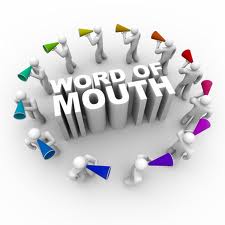
5) Now time for an easy, low cost marketing idea, one you need to do now! The customer is always right… always. The time to prove this statement is when the customer experiences a problem with your product or service. Make a point to take responsibility and solve any problems that a customer might have immediately. Satisfied customers turn into repeat, long-term customers.
6) This next tip, is a low cost marketing idea if it helps you with the previous two ideas. Take a customer out to lunch. Now is the time to ask a reliable customer out to lunch. Touch base with them to see how your company is solving problems and meeting their needs.
7) Well here is the cost, though still a low cost marketing idea if you follow these guidelines. Establish an annual marketing budget. A good rule-of-thumb estimate for your  marketing budget is 3% to 5% of annual sales. Retail businesses need to budget 7% to 10% of annual sales for their marketing budgets. Your budget should include a breakdown of all marketing costs including printing, social media, website maintenance and advertising placement.
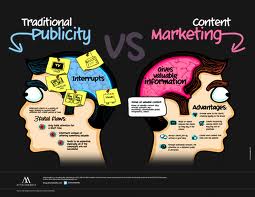 marketing budget is 3% to 5% of annual sales. Retail businesses need to budget 7% to 10% of annual sales for their marketing budgets. Your budget should include a breakdown of all marketing costs including printing, social media, website maintenance and advertising placement.
8) Here is a very low cost marketing idea, but arguably the most important you can consider. Be positive in your outlook. It’s important to feel good about yourself and enjoy what you do for a living. If you have a positive attitude about your job, you will succeed by transferring that enthusiasm to other employees, customers and prospects.
 9) *****A low cost marketing idea should always look at social media. Pinterest is one of the newest and most effective parts of a social media exposure program. You can find out more in these 3 articles:7 Free Pinterest Tools; Things to get You Noticed!
10) *****Low cost marketing idea #10 is to establish and maintain a good active Twitter account. To learn more about Twitter and how to make it effective for your small
 low cost marketing ideas
business, check out these suggestions: How to use Twitter for Small Business
11) *****Moving along with low cost marketing idea #11 have you fully updated your LinkedIn account on a regular basis? You must be at 100% on your profile, you need to update every week, you need a company page. Want to know more, take a look at: LinkedIn for Nonprofits
 12) *****Don’t forget another social media low cost marketing idea, have an active and constantly updated Facebook account and company page. Learn more here: Want More Visitors? Use Social Media to Drive Visitors Home!
13) *****We talked about your Website but another low cost marketing idea is to have a very active blog attached to your website. Learn more here:
10 Tips and Tricks to make Your Website a Lead Generating Machine!
14) *****The best low cost marketing idea I can give you is this. Learn how to connect your website, blog, Twitter, Facebook, LinkedIn, Pinterest and any other social media fads that appear in 2013 into a network. Learn how to use back links and directories. The more you work on your on-like presents, the more your small business will benefit!
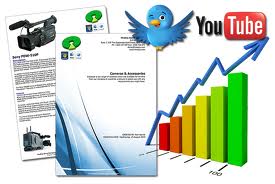 Learn how to use back links and directories. The more you work on your on-like presents, the more your small business will benefit!
Want More Visitors? Use Social Media to Drive Visitors Home!
 15) Here is your top low cost marketing idea for 2013, in fact it is the most importaqnt idea you will hear in regards to marketing. In order for anything we have talked about to truly succeed, you need to develop a solid marketing plan! You need a road map, a plan to keep you on track to sustainable goals, and a ruler to judge your success. Part of this plan should include your established budget and an ongoing record of each fassett of your marketing plans success to determin what worked and what to rethink. All low cost marketing ideas are successful if you learn and grow from them.
Bonus Low Cost Marketing Idea: Consider hiring a marketing company to help you with a complete formula, if marketing is not your thing. A firm that does marketing for lots of companies can often deliver a great marketing campaign at a very low cost, compared to struggling with a part of small business that can confuse many. Be careful, there are a lot of firms that clams to know what they are doing, hire a firm that trains you to maintain your marketing plan.
With low cost marketing idea generating help, a good digital identity, a well branded small business and attention paid to your customers and their needs, success will be yours in 2013!
Article Created by: http://troblinreich.com/
Subscribe to:
Posts (Atom)


